What is Mead?
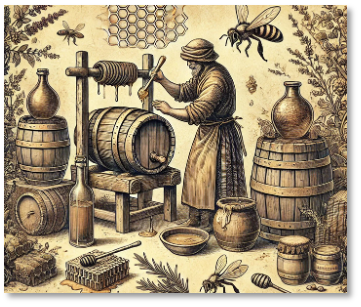
Mead, or honey wine, is an alcoholic beverage made with honey as the primary source of fermentable sugars rather than grapes as in red and white wines or grains in beer. Although mead is classified as a wine in the United States, it is truly a category unto itself with diverse styles spanning a broad spectrum.
Is mead sweet? Sometimes, but it can also be dry.
Is mead strong? Sometimes, but it can also be light and low alcohol.
Is mead heavily flavored? Sometimes, but it can range from the delicate taste of honey to wild combinations of fruits, spices, herbs and even flowers.
Remember, just because you’ve tried mead in the past doesn’t mean you’ve experienced all the mead world has to offer.

Types of Mead
Created with nothing more than pure honey, water and yeast; this is mead in its purest form. But don’t let the short ingredient list fool you, these meads showcase a diverse range of flavors created by varieties of honey and aging techniques.
Traditional
One of the most widely available categories, melomels are made by fermenting honey with fruit such as berries, peaches, citrus fruits, etc. Natural acidity from the fruit adds a lively profile and the flavor possibilities are endless.
Included in this large category are Cysers (honey fermented with apples or pears) and Pyments (honey fermented with grapes). Note, grape wines with honey added after fermentation are not meads.
Melomel
Fermented with spices and/or herbs such as cinnamon, ginger, lavender, etc., Metheglins can offer a truly unique flavor experience ranging from warm holiday spices to fresh and floral.
Metheglin
A more modern take on mead, these combine the sweetness of honey with the heat of hot peppers to create warming flavor perfect to pair with BBQ or dark chocolates.
Capsicumel
Sometimes referred to as honey beer, braggots are created by fermenting honey with grains to create beer/mead hybrid. These were particularly popular in medieval Britain and are quickly gaining modern popularity in the craft brewery world.
Braggot
Lower in alcohol (less than 10%) and often carbonated, these meads are light and refreshing and come in any number of flavors and lend themselves to easy drinking occasions such as summer afternoons. Interestingly, in some countries such as Portugal, all meads are referred to as hydromels with the word coming from the Greek for honey and water.
Session or Hydromel
Sack Mead
Often associated with Vikings or Eastern Europe, these meads are high in alcohol content and often very sweet. Generally served as a dessert beverage in smaller quantities due to the fullness of body.
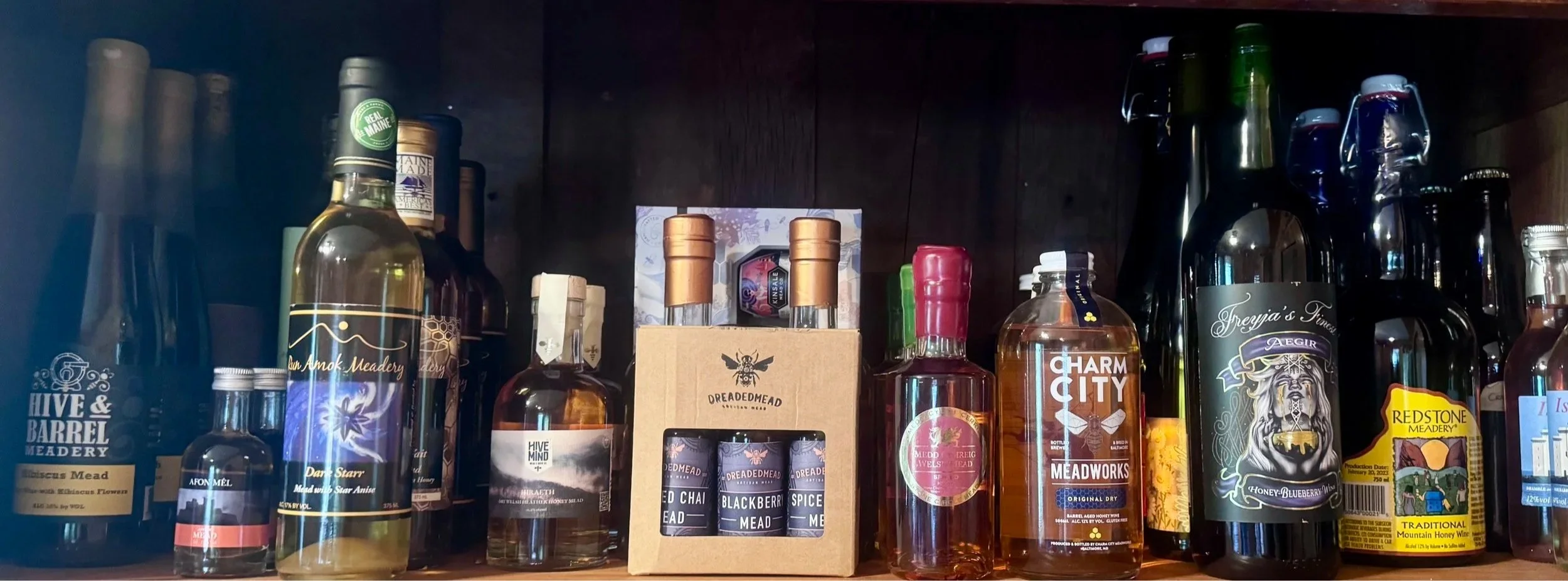
This is certainly not an exhaustive list of types of mead but is meant to highlight some of the more widely available varieties.
Mead Through the Ages
Cave drawings from the Paleolithic era show hunters gathering honey in skins that would have also held water. It is likely that mead was first “discovered” as an accident when honey, which contains natural yeasts, mixed with water and began to ferment. The delicious result became a staple of most cultures around the world ever since!
The earliest known indications of intentionally made mead were found in pottery remnants in northern China and dated to circa 7000BCE. While rice based fermentations became the standard in Asia with the development of agricultural, mead is enjoying a strong following across modern Asia.
Mead has a history at least as long in Africa as well, with mead being used to mark milestones and ceremonies, settle disputes, and as medicine. A type of mead called Tej, documented as early as the first century, but likely far older, is still the national drink of Ethiopia. In Egypt honey was revered as a pure, magical substance directly from the gods, so it is no wonder that mead carried deep importance for priests and pharaohs. There are even traces of mead in King Tut’s tomb.
Often referred to as “ambrosia” or “nectar of the gods” in Ancient Greece and Rome, mead was written about frequently by the likes of Aristotle and Pliny the Elder. While more easily attainable grape wine was considered the “common” beverage, mead with its sought after honey base, was esteemed by the highest classes of Greek and Roman society.


As early as the first century CE, there is well-documented evidence of mead amongst Irish and Welsh Celtic tribes and that is merely the beginning of Western European mead history. Celtic legend speaks of a river of mead running through Paradise and in Anglo-Saxon legend mead bestowed knowledge, creativity and even immortality. Unlike in the Mediterranean, mead and beer were staples with grape wine being available only after the Norman conquest and then only to aristocrats.
During this same period, mead was widely consumed by the Vikings in Scandinavia. Inhospitable to many varieties of fruits, including grapes, but with long summer days perfect for honey production, this region was made for mead. As with many cultures, mead was thought to be given by the gods. Mead halls were a communal gathering place where celebrations, ceremonies, and important decisions occurred. While the modern entertainment industry has popularized the idea of heavy, hallucination inducing Viking mead, this is not historically accurate.
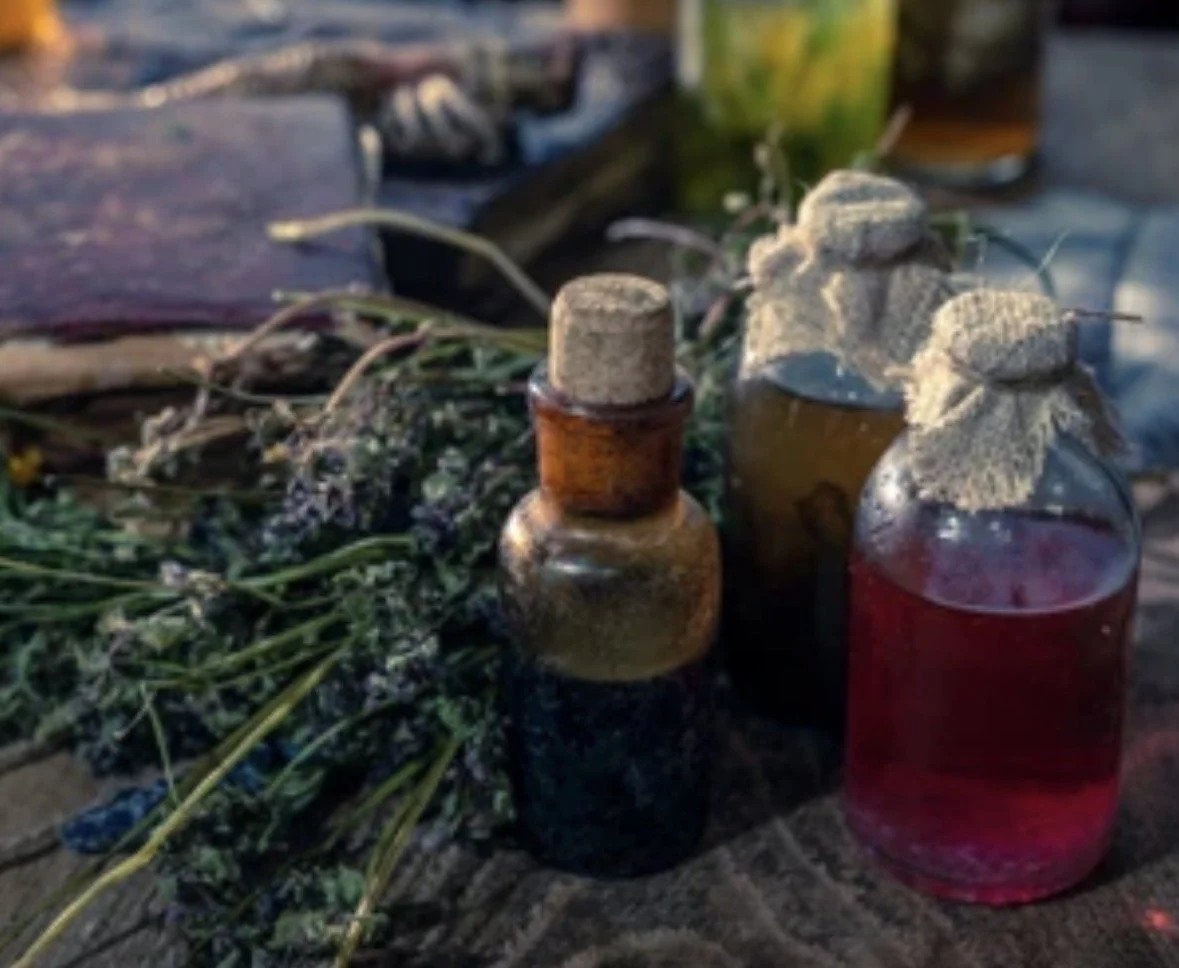
Moving into the Middle Ages, mead took its place in medieval courts across Europe and Old and Middle English literature contain innumerable mentions of mead, most famously in Beowulf and the Canterbury Tales. The word honeymoon originates from the medieval European tradition of gifting a couple a moon’s cycle worth of honey wine to encourage good luck, prosperity, fertility and happiness. Mead also served a medicinal purpose, often being used as a tincture to store and dispense medicinal herbs.
Although it hasn’t had the same modern attention as the Viking or Medieval mead cultures, Eastern Europe has an equally long, rich, and diverse mead history originating from an environment conducive for beekeeping. Since the 1500th century, mead has been a coveted Polish export across Europe and Poland continues to host one of the most famous international mead competitions.
With the introduction of the commercial sugar trade and modernized agricultural practices that allowed grapes to be more widely available, the relative cost and effort of fermenting honey led to the eventual decline of mead in popular culture but traditions run deep, and there is now a resurgence in mead-making across the globe in the craft beverage world.